
Training Your Staff on Draft Beer System Best Practices
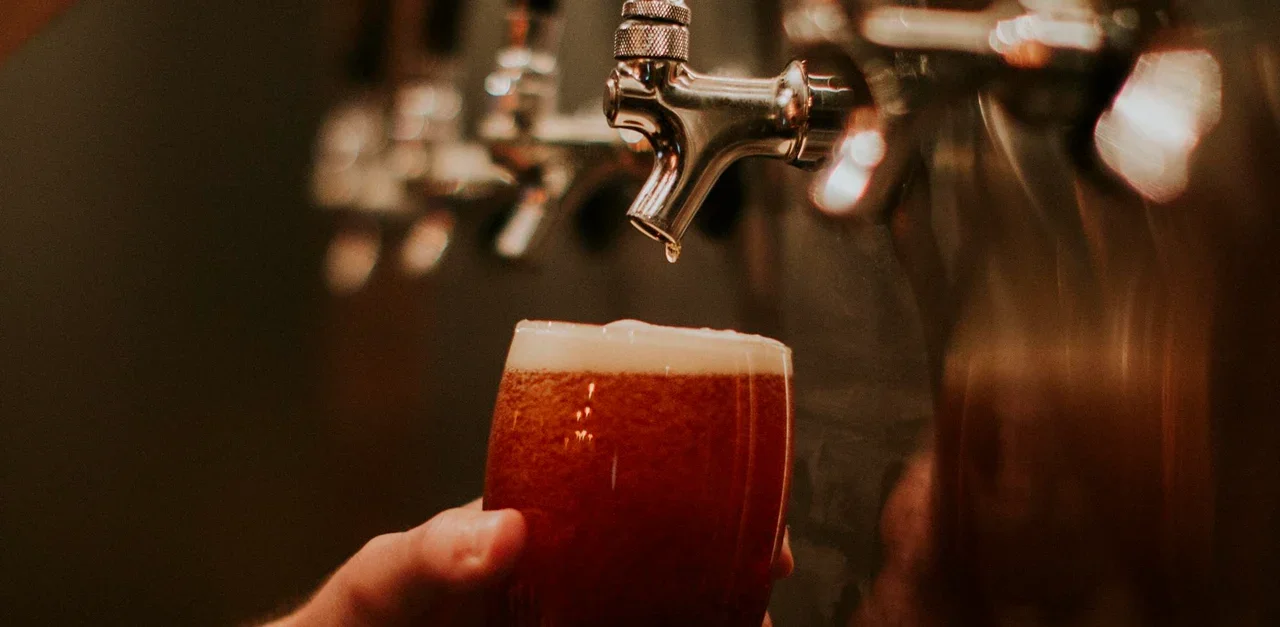
Staff training is a critical component of running a successful draft beverage program. Even the most advanced draft beer systems cannot deliver a consistently high-quality pour without knowledgeable employees who understand how to operate and maintain them properly. Proper training ensures that every glass served meets the standards of taste, carbonation, and presentation that customers expect.
Draft beer systems, including those provided by GS Draft, are designed for precision and performance. However, their full potential is only realized when staff know how to manage temperature, pressure, and pouring techniques correctly. Training equips employees with the skills needed to handle the equipment confidently, troubleshoot common issues, and maintain lines for optimal beverage quality.
Investing in staff training not only improves consistency and product quality but also enhances customer satisfaction and increases profitability. When employees are well-prepared, businesses can reduce waste, maximize keg yield, and build a reputation for serving perfectly poured beverages every time. This guide will provide essential best practices for training your staff to ensure your draft beer system delivers exceptional results.
Understanding Your Draft Beer System
A high-performing draft beer system relies on several key components, each of which plays a critical role in delivering a perfect pour. Understanding how these parts work together allows staff to operate the system efficiently and maintain beverage quality. The main components of a draft system include:
- Taps and Faucets: These are the points where the beverage is dispensed. Proper use ensures a clean pour with the right amount of foam.
- Beer Lines: Lines transport the beverage from the keg to the tap. Their length, cleanliness, and material directly affect flavor and carbonation.
- Kegs: The source of the beverage. Proper handling and storage are essential to prevent spoilage and maintain freshness.
- Regulators and Gas Systems: These control pressure, which affects flow rate and carbonation. Correct settings prevent foaming or flat pours.
- Cooling Units: Temperature control preserves taste and ensures the beverage is served at the ideal coldness.
Knowing how each component affects the final product allows staff to monitor and adjust the system as needed. For example, a small temperature fluctuation or pressure miscalculation can alter flavor or create excess foam.
GS Draft specializes in designing draft beer systems that simplify operations while maximizing beverage quality. Their expertise ensures systems are intuitive for staff to manage, making training more effective and reducing the risk of errors. Understanding the system thoroughly is the first step toward consistent, high-quality pours.
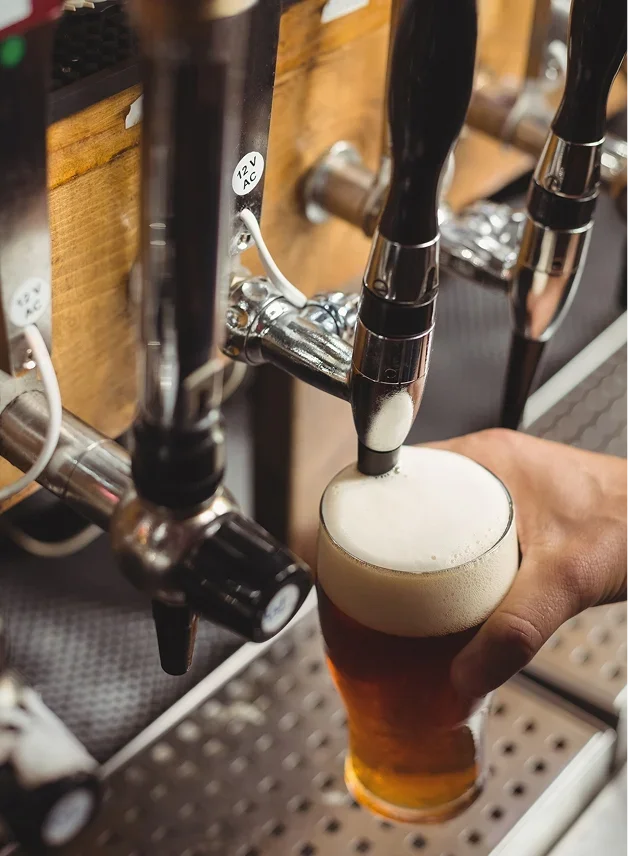
Establishing Standard Operating Procedures (SOPs)
consistency across all staff members. SOPs provide a structured approach to operating a draft beer system, ensuring that each employee follows the same steps to achieve high-quality results. When staff have clear guidance, they are more confident in their responsibilities, mistakes are minimized, and beverage quality is maintained.
Key areas that SOPs should cover include:
Pouring Techniques: Instructions on how to pour the perfect glass, control foam, and maintain carbonation.
Cleaning Schedules: Daily, weekly, and monthly cleaning tasks for lines, taps, and couplers to ensure flavor integrity and hygiene.
Temperature and Pressure Checks: Procedures for monitoring and adjusting cooling units and regulators to maintain ideal serving conditions.
An example of a quick SOP checklist for staff could include:
Opening Procedures: Check keg pressure, inspect lines, and purge air from faucets.
Serving Procedures: Use proper pour angles, monitor foam, and serve beverages at the correct temperature.
Closing Procedures: Clean taps and lines as needed, check for leaks, and secure kegs for storage.
By establishing detailed SOPs, businesses can ensure that every staff member delivers a consistent and high-quality draft experience. Clear procedures also make training more efficient and provide a reference that employees can follow until they are fully confident in their skills.
Proper Pouring Techniques
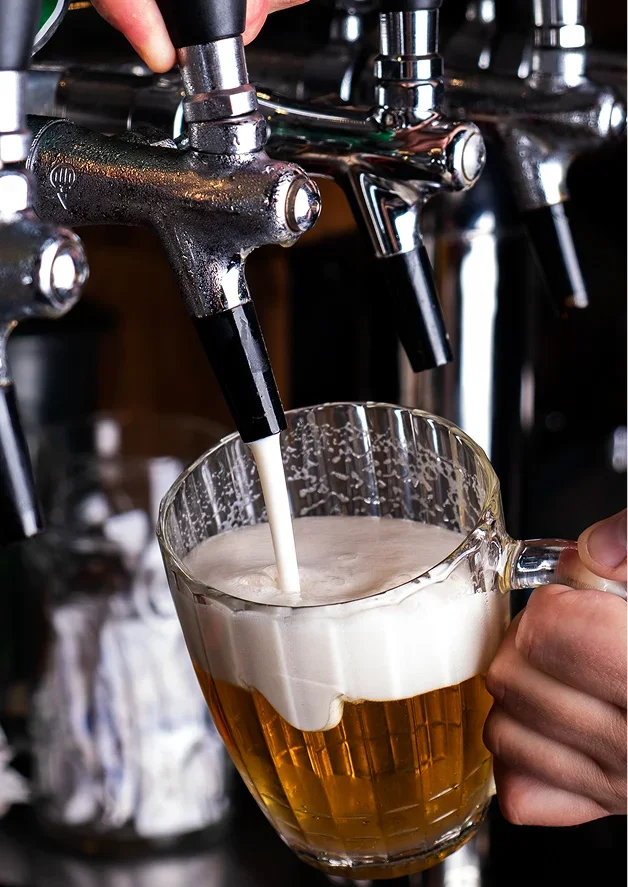
Mastering the proper pouring technique is essential for serving draft beverages at their best. A well-poured drink not only enhances taste and appearance but also reduces waste and maximizes keg yield. Staff should be trained on the correct steps to ensure every glass meets quality standards.
Step-by-step instructions for the perfect pour include:
- Hold the Glass at an Angle: Tilt the glass approximately 45 degrees to allow the beverage to flow smoothly down the side.
- Start the Pour: Pull the tap handle steadily, avoiding sudden movements that can cause excessive foam.
- Straighten the Glass: Gradually straighten the glass as it fills to form a proper head, typically around one inch for beer.
- Finish Cleanly: Stop the pour before the foam overflows, leaving a visually appealing and balanced drink.
Tips for minimizing foam and maintaining carbonation:
- Ensure lines are properly cleaned and free of residue that can cause bubbles.
- Check that keg pressure and temperature are correctly adjusted to prevent foaming or flat pours.
- Avoid excessive agitation of the keg or lines during handling.
Consistency across staff is key to customer satisfaction and operational efficiency. When every employee follows the same pouring method, beverages are delivered uniformly, reducing waste and enhancing the overall experience for patrons. Training staff on these techniques ensures that your draft system performs at its best, supporting both quality and profitability.
Cleaning and Maintenance Best Practices
Regular cleaning and maintenance are essential to keeping a draft beer system operating at peak performance. Residue, bacteria, and yeast buildup in lines, faucets, and couplers can negatively affect flavor, carbonation, and overall beverage quality. Maintaining a clean system not only preserves the taste and aroma of your beverages but also ensures a safe and hygienic experience for customers.
Suggested cleaning schedules include:
Daily: Wipe down faucets and taps, check for leaks, and rinse lines if necessary.
Weekly: Perform a more thorough cleaning of couplers and faucet components, ensuring any buildup is removed.
Monthly: Deep clean the entire beer line system using appropriate cleaning solutions to eliminate residue, bacteria, and yeast.
GS Draft provides training and support to simplify maintenance for staff. Their experts guide employees through proper cleaning techniques, maintenance routines, and troubleshooting, making it easier for businesses to maintain consistent beverage quality. Proper training helps staff confidently handle routine tasks, reduces system downtime, and extends the life of your draft beer equipment.
Temperature and Pressure Management
Temperature and CO₂ pressure play a critical role in the quality of every draft beverage. Serving beer or other drinks at the wrong temperature can alter flavor, reduce carbonation, and create an unappealing pour. Similarly, incorrect CO₂ pressure can lead to excessive foam or flat beverages, affecting both taste and presentation. Understanding how these factors interact is essential for maintaining consistency and delivering a high-quality experience to customers.
Guidance for staff on monitoring and adjusting settings includes:
Check Temperature Regularly: Ensure that kegs and lines are maintained at the recommended serving temperature for each type of beverage.
Monitor CO₂ Pressure: Verify regulator settings to maintain proper flow rates and carbonation levels. Adjust as needed to avoid foaming or flat pours.
Observe Pour Quality: Use the appearance and taste of the beverage as indicators that temperature and pressure are correctly balanced.
GS Draft designs draft systems with intuitive temperature and pressure controls, making it easier for staff to manage settings accurately. Their systems simplify monitoring and adjustments, allowing employees to maintain ideal serving conditions consistently and confidently. Proper training combined with reliable equipment ensures that every pour meets the highest quality standards.
Troubleshooting Common Issues
Even with the best draft beer systems, issues can occasionally arise that affect beverage quality. Common problems include foamy beer, flat pours, and inconsistent flow. Recognizing these issues quickly and knowing how to address them is essential for maintaining consistent service and customer satisfaction.
Quick troubleshooting tips staff should know include:
Foamy Beer: Check keg pressure and temperature, ensure lines are clean, and verify that the faucet is functioning properly.
Flat Pours: Confirm CO₂ levels are sufficient, inspect lines for buildup, and ensure kegs are properly chilled.
Inconsistent Flow: Look for blockages in the lines, inspect faucets for leaks, and verify that regulators are correctly adjusted.
Training sessions are valuable for empowering staff to handle these issues confidently. By practicing problem-solving in a controlled environment, employees learn to identify common causes and apply solutions quickly, reducing downtime and preventing customer complaints. Regular refresher training ensures staff remain knowledgeable and capable of maintaining optimal system performance.
Safety and Compliance
Proper safety practices are essential when handling draft beer systems to prevent injuries and ensure a smooth operation. Kegs are heavy and pressurized, so staff must be trained in safe lifting techniques and proper tapping procedures to avoid accidents. Regular instruction on handling equipment reduces the risk of injury and promotes a safe working environment.
Key safety and compliance practices include:
Safe Keg Handling: Use correct lifting techniques, work in pairs for heavier kegs, and ensure the storage area is secure and organized.
Tapping Procedures: Follow step-by-step guidelines for connecting and disconnecting kegs to prevent spills, overflows, or equipment damage.
Regulatory Compliance: Understand and adhere to local laws regarding alcohol service, including age verification, responsible pouring, and licensing requirements.
Training ensures staff remain compliant while serving efficiently. Well-informed employees are more confident in their roles, reduce the risk of accidents, and help businesses maintain a professional and legally compliant operation. Regular training reinforces safe practices and keeps staff updated on any changes to regulations or internal procedures.
Continuous Education and Refresher Training
Ongoing training is essential for ensuring that staff remain proficient in operating draft beer systems and maintaining beverage quality. Regular education sessions help employees stay up to date with best practices, new techniques, and changes in equipment or procedures. This continuous learning approach keeps staff confident and capable, which directly impacts the consistency and satisfaction of every pour.
Key strategies for continuous education include:
- Scheduled Refresher Courses: Regularly review pouring techniques, cleaning procedures, and system maintenance to reinforce knowledge.
- Feedback Loops: Encourage staff to provide input on system operation, challenges, and customer feedback. Use this information to refine processes and improve performance.
Hands-On Practice: Provide opportunities for staff to practice troubleshooting, pouring, and maintenance in a supervised environment to build confidence.
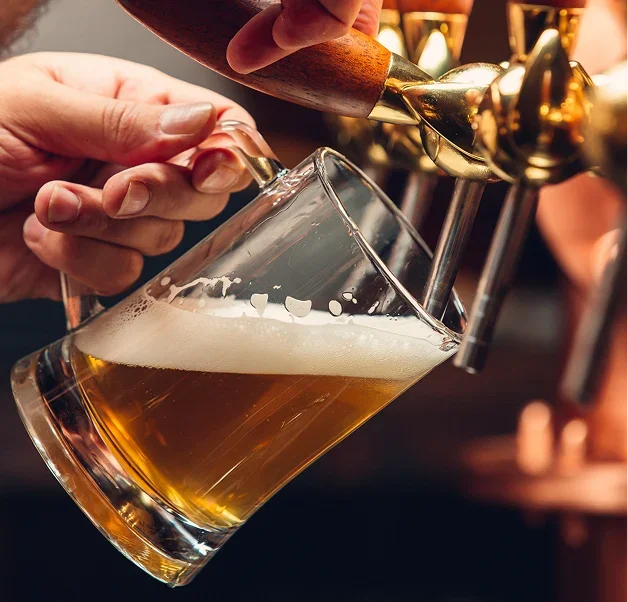
GS Draft offers long-term support and refresher guidance to operators, helping businesses maintain high standards over time. Their expert training ensures that employees are equipped to handle the system effectively, adapt to updates, and continue delivering a consistent, high-quality draft experience to customers.
Staff training is essential for maintaining the quality and performance of any draft beer system. Well-trained employees can operate equipment, manage temperature and pressure, pour consistently, and perform routine maintenance, ensuring every beverage meets high standards. Consistent training improves beverage integrity, operational efficiency, and customer satisfaction while reducing waste and errors. GS Draft offers expert system design, staff training, and ongoing support to help businesses maximize the performance of their draft beer program and empower staff to deliver exceptional pours every time.