
Troubleshooting Foam: Why Your Draft Beer Isn’t Pouring Right
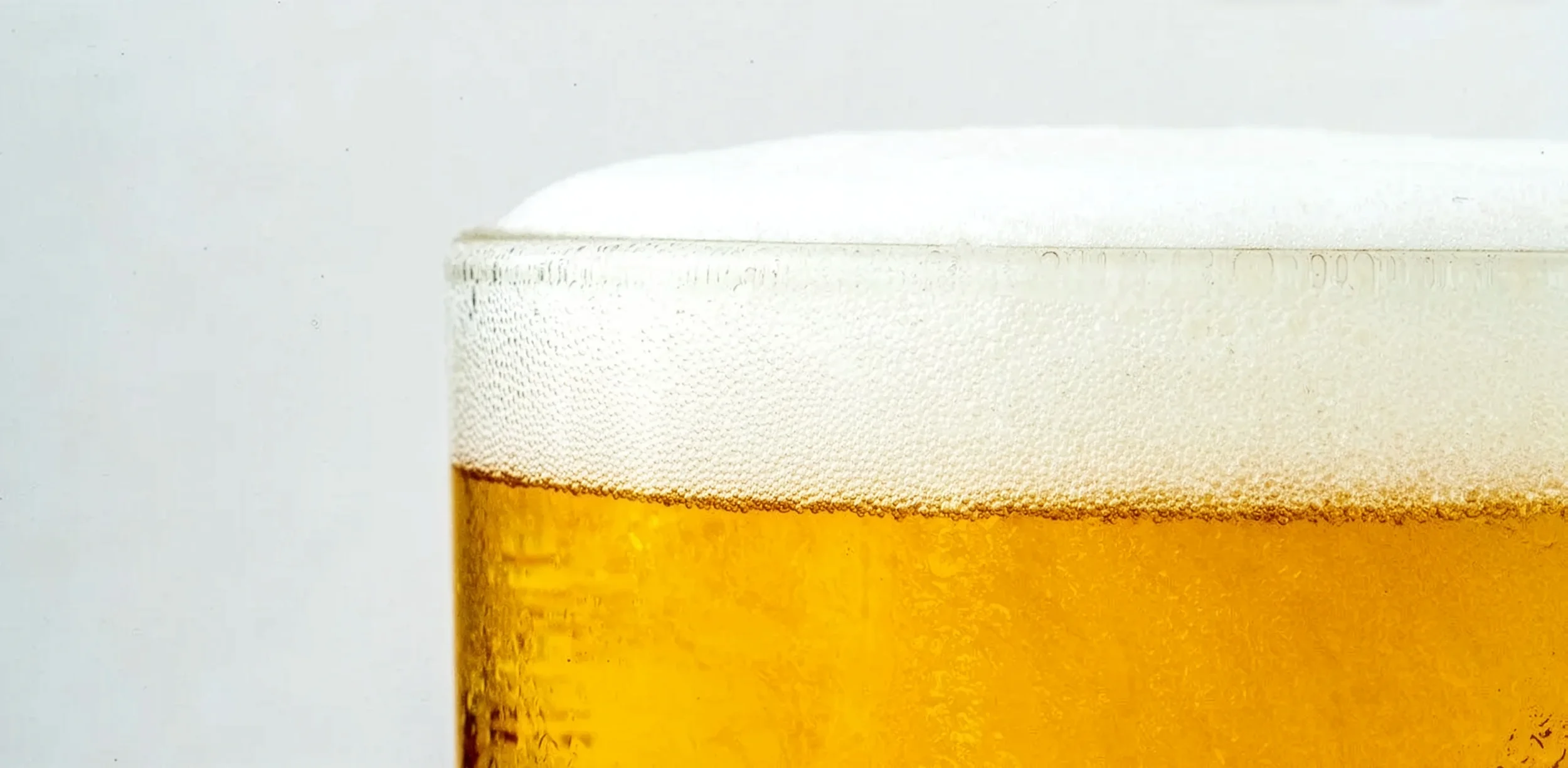
A foamy draft beer is more than a visual disappointment. It signals that something within the draft system is not functioning as it should. Excess foam leads to wasted product, inconsistent flavor, and customer dissatisfaction, especially in commercial settings where beer quality directly affects revenue and reputation. Even in home draft systems, recurring foam issues can prevent beer from being enjoyed as intended.
Draft beer systems are complex, relying on a careful balance of temperature, pressure, cleanliness, and equipment condition. When any part of that system is disrupted, foam becomes one of the first and most noticeable symptoms. Professional installation and ongoing maintenance play a critical role in preventing these problems. GS Draft specializes in draft system performance, with a strong focus on expert line cleaning and long-term system reliability.
Common Causes of Excessive Foam
Excessive foam rarely has a single cause. In most cases, it results from multiple small issues working together to disrupt the balance of the draft system. Temperature inconsistencies are one of the most common contributors. When beer warms even slightly inside the lines or tower, carbonation escapes too quickly, creating foam before the beer reaches the glass.
Pressure imbalance is another frequent factor. If gas pressure does not align with the beer style, line length, or system design, foam becomes unavoidable. In addition, external factors such as glassware condition or environmental heat near the tap can intensify the problem.
Common contributors to foaming include:
- Beer or lines warming above the optimal serving temperature
- Gas pressure that is not properly matched to the system
- Inconsistent system usage patterns
- Environmental conditions around the tower or faucet
Because these factors often overlap, identifying the root cause requires professional evaluation rather than guesswork. GS Draft technicians are trained to assess the full system, not just the symptoms visible at the tap.

The Role of Draft Lines in Beer Quality
Draft lines play a critical role in how beer pours, tastes, and smells. Over time, beer stone, yeast residue, and organic buildup can accumulate along the interior walls of the lines. This buildup disrupts smooth beer flow, interferes with carbonation, and creates turbulence that leads to foaming.
Beyond foam, dirty draft lines can also affect beer flavor and aroma, introducing off-notes that compromise the brewer’s intended profile. Regular professional line cleaning is essential not only for proper quality but also for maintaining hygiene and protecting equipment.
Draft line issues often develop gradually, making them easy to overlook until the problem becomes severe. GS Draft focuses on professional line cleaning solutions designed to restore proper flow and carbonation balance while protecting the integrity of the system. Attempting to clean lines without proper equipment or training can damage components or leave behind harmful residue, making professional service the safest and most effective option.
Gas and Pressure Considerations
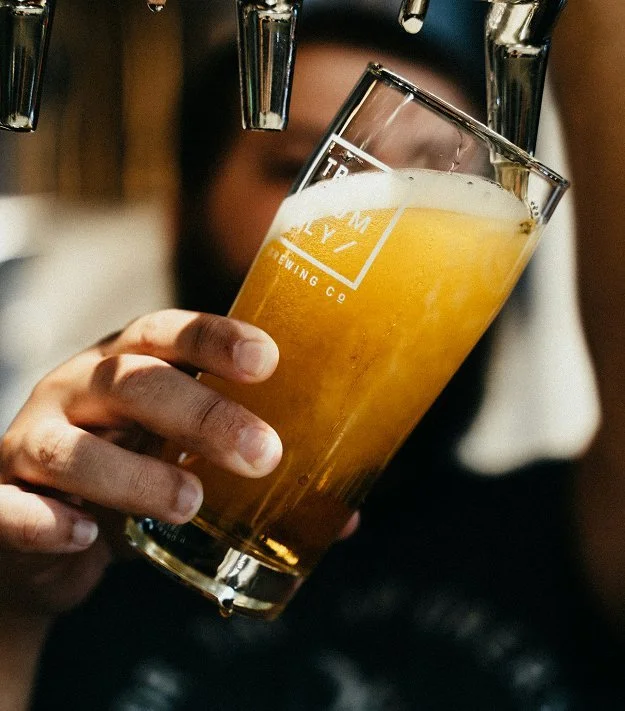
Gas systems are fundamental to draft beer performance, yet they are one of the most misunderstood aspects of draft service. Whether a system uses CO₂ or blended gas, pressure must be precisely matched to the beer style, system layout, and temperature. Even small deviations can force carbonation out of solution too quickly, resulting in foam-heavy pours.
Pressure problems may not always be obvious at first. A system might pour acceptably at low volume but struggle during peak service or warmer conditions. Over time, this inconsistency leads to wasted beer and unpredictable results at the tap.
Gas-related foam issues often stem from:
- Pressure levels that exceed the beer’s carbonation tolerance
- Pressure drops caused by leaks or regulator wear
- Inconsistent gas delivery across multiple taps
GS Draft technicians understand how gas, temperature, and line resistance work together. Their expertise allows them to evaluate pressure issues safely and accurately, avoiding trial-and-error adjustments that can worsen foaming or damage the system.
Equipment Wear and Calibration
All draft systems experience wear over time. Faucets, couplers, regulators, and seals are subject to constant use and pressure, and even minor wear can disrupt beer flow. When components are no longer properly calibrated, beer may move unevenly through the system, creating agitation and foam.
In many cases, worn parts do not fail outright. Instead, they gradually reduce system efficiency, making foam issues harder to diagnose without professional inspection. Temperature control components also play a role, as cooling systems that lose efficiency can allow beer to warm inside the lines.
Regular professional inspections help identify aging or failing components before they impact beer quality. GS Draft provides expert evaluation and maintenance services to ensure that all system components are functioning as intended, supporting consistent pours and long-term system performance.
Seasonal and Environmental Factors
Seasonal changes can significantly affect draft beer systems, even when the equipment itself has not changed. Warmer ambient temperatures increase the likelihood of beer warming inside towers or exposed lines, while colder conditions can alter pressure dynamics and carbonation behavior.
Environmental factors such as humidity, airflow, and proximity to heat sources can also influence pour quality. High-volume periods, such as holidays or special events, may expose hidden system weaknesses that were not apparent during slower service times.
Seasonal foam issues are best addressed proactively through professional system assessments. GS Draft works with clients to anticipate environmental changes and adjust maintenance schedules accordingly, helping prevent foam problems before they disrupt service.
When to Call the Experts
Draft beer systems are engineered systems, not simple appliances. While foam may appear to be a minor inconvenience, it often signals deeper performance issues that require professional attention. Attempting adjustments without proper training can introduce safety risks, cause equipment damage, or lead to ongoing pour inconsistencies.
Professional service ensures:
Accurate diagnosis of foam-related issues
Proper cleaning, calibration, and system balancing
Protection of equipment investment and beer quality
GS Draft specializes in draft system installation, maintenance, and troubleshooting, with particular expertise in line cleaning solutions. Their team focuses on long-term performance rather than short-term fixes, helping clients maintain consistent, high-quality pours.
Foamy draft beer is rarely accidental and typically signals imbalances within the draft system that affect carbonation, temperature, cleanliness, and equipment performance. From draft line condition and gas pressure to seasonal changes and component wear, every element influences how beer pours, making professional care essential for maintaining quality, reducing waste, and ensuring consistent results. For expert draft system support, maintenance, and line cleaning services, visit GS Draft and keep every pour flowing the way it should.