
Reducing Beverage Waste With ChillTap

Every draft beer program pays a tax that never shows up on an invoice. It hides in the foam that goes down the drain, the extra half-inch a distracted bartender tops off, and the keg that blows warm at 2 p.m. on a hot Saturday. Most operators feel it as "shrinkage" and move on. The ones who measure it are often surprised by the number. Industry commentators peg average draft waste at roughly 20% per keg, while a well-tuned system should hit a keg yield of 95% or better, meaning 5% loss or less (bar auditors at Bar-i put optimized yields in that range). The gap between those two numbers is money you are already spending every week.
If you run beverage service at a resort, a poolside bar, a rooftop lounge, or an events operation, that loss compounds fast. This article breaks down where draft waste comes from and walks through how to reduce draft beer waste using five specific features of the ChillTap Pro, closing each gap one cause at a time.
Where Draft Beer Waste Actually Comes From
Draft beer waste is the product you pay for but never sell, lost mainly to foam, over-pours, temperature swings, and untracked line loss. In a typical bar setup, four culprits do most of the damage: beer that warms in the line and foams on the pour, gas pressure that is set wrong for the beverage, human over-pouring during a rush, and kegs that spoil or run low without anyone noticing until a guest complains.
One breakdown cited by Bar-i attributes draft waste roughly to temperature (about 90%), pressure (about 5%), and human error (about 5%), which tells you where to aim first. Fix those, and you recover most of the tax. That is the frame for everything below.
Five Ways ChillTap Reduces Draft Waste
1. Glycol Cooling Locks in Serving Temps for Perfect, Clean Pours
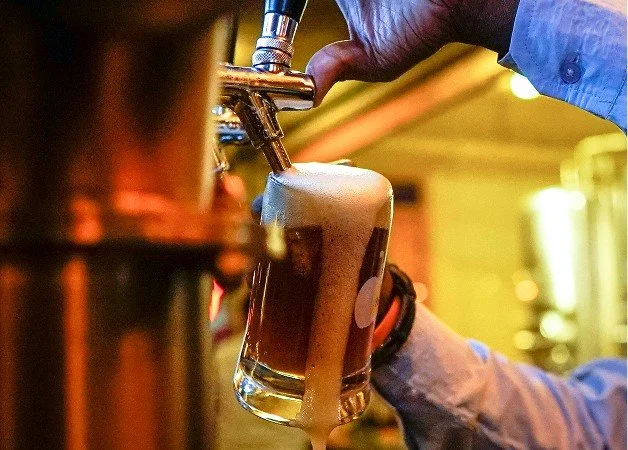
Temperature is the ultimate catalyst for foam. When beer warms by even a few degrees between keg and tap, dissolved carbon dioxide breaks out of solution, resulting in a glass that is half head. In sweltering environments like a Florida courtyard or an Arizona pool deck, improperly cooled lines quickly turn pour after pour into wasted foam.
The ChillTap Pro uses industrial-grade glycol chilling to hold a consistent serving temperature across the whole run from keg to tap. GS Draft tests these units in the exact climates that break ordinary setups, so the pour stays tight even when the ambient air is punishing.
Picture a rooftop bar at 4 p.m. in July. A standard tower warms between rushes, so the first pours of every wave foam over while staff waits for it to settle. Hold the temperature steady and those pours reach a paying glass instead of the drip tray.
2. Precision Gas Regulation Stops Foam Before It Starts
The second primary cause of foam is pressure. Set the carbon dioxide too high, and the beer over-carbonates, erupting aggressively as it pours. Set it too low, and you get flat, slow streams that staff attempt to "fix" by cracking the tap open too fast, which creates turbulence and fluffs the beer into foam a different way. Furthermore, wine, cold brew, kombucha, and nitro cold brew each demand distinct pressure requirements, meaning a one-size-fits-all regulator serves none of them well.
ChillTap Pro regulates CO2 or nitrogen to the pressure each beverage actually needs. That matters because a system pouring beer, wine, and kombucha off the same cabinet cannot compromise on a single setting without wasting at least one of them.
The practical payoff is fewer "let it settle" pours and fewer dump-and-restart moments during a rush, when your team has the least time to babysit a tap.
3. Self-Pour and RFID End the Over-Pour and the Giveaway
Even with perfect temperature and pressure, a human pouring by eye during a Saturday crush will over-pour. A little extra here, a comped top-off there, and by close you have given away volume you can measure in kegs. This is where a self-pour beer system changes the economics.
ChillTap Pro uses RFID self-pour technology. Guests activate the tap with a room key, wristband, or RFID card, pour their own beverage, and pay for exactly what they dispense by the ounce. There is no eyeballing and no generous free hand, because the system meters every ounce and ties it to a payment. GS Draft reports overflow product loss staying below 2% with this monitoring in place, which is well under the roughly 20% average and even beats the 5% mark of a well-run manual system.
Self-pour also shortens lines and frees staff from the tap, which is why resorts use it at pool bars where one bartender cannot keep up. Guests get served faster, and you stop paying for the pours you used to give away.
To see the full hardware and configuration options, GS Draft details them on the ChillTap Pro self-contained draft system page.
4. Real-Time Inventory Tracking Catches Loss You Cannot See
The waste that hurts most is the waste nobody notices. A line can develop a slow leak, a keg gets tapped and half-forgotten, and pour counts drift from sales because of comps and spills that never got logged. By the time the monthly variance report lands, the money is gone, and the trail is cold.
ChillTap Pro tracks inventory in real time and logs every pour as it happens. You see which taps move, which kegs are near empty, and where dispensed volume stops matching revenue. That last signal is the important one, because a growing gap between what is poured and what sold is usually the first sign of a mechanical loss or a process problem.
A quick scenario: your report shows Tap 4 dispensed 12% more volume than it rang in sales over a weekend. On a manual system, you would never catch that until inventory count. Here it surfaces the next morning, and you can check the line, the calibration, or the staff process before it costs you another keg.
5. A Self-Contained Design Shortens the Path From Keg to Glass
Long, complicated draft lines are waste factories. Every extra foot of tubing is more surface to warm the beer, more volume to purge on a keg change, and more places for a leak to hide. Traditional built-in systems also take days to install and are a headache to move when your service footprint changes.
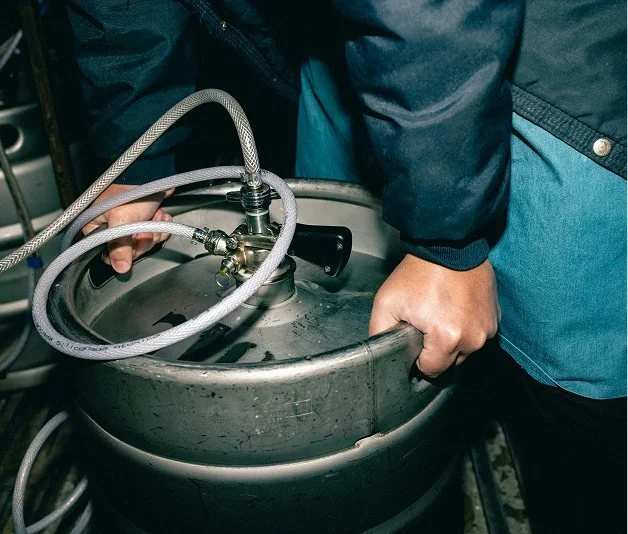
ChillTap Pro is a self-contained, plug-in-ready unit. The keg, cooling, regulation, and taps live in one cabinet, so the path from keg to glass is short and the beer has less room to warm or foam. Setup takes minutes rather than days, which means less product sitting idle and spoiling during a slow install, and easy repositioning for a poolside event one weekend and a rooftop the next.
For an events operator, that speed is direct waste reduction. Kegs you can deploy in minutes are pouring and earning instead of sitting warm on a loading dock waiting for a plumber.
What the Recovered Waste Is Worth
Here is the math that makes the case to whoever signs the check. Take your monthly keg spend and apply the roughly 20% average loss the industry cites, and that is your current draft tax. Modern Restaurant Management estimated that a 20-tap bar at 20% waste pours away about 26,000 pints a year, or roughly $130,000 at $5 a pint. Cutting that toward the sub-2% range, GS Draft reports converts foam and giveaway back into sellable ounces, and at bar margins those ounces are close to pure recovery.
Now layer on the labor. When guests self-pour, one staffer covers a full deck instead of one tap, so you are not adding bartenders to keep pace with demand. Faster service, cashless tracking, and cleaner inventory add up to efficient beverage dispensing that shortens the payback further, which is why a self-contained commercial draft beer system tends to pencil out faster than operators expect.
Reduce the Waste You Have Been Paying For
Draft waste is not a fixed cost of doing business. It is foam from a warm line, an over-pour during a rush, and a keg nobody watched, and each of those has a specific fix built into the ChillTap Pro. Put together, that is arguably the best self-contained draft system for hospitality operators who are tired of pouring profit down the drain.
GS Draft has spent over a decade installing, tuning, and maintaining these systems in the hot, high-volume venues that expose every weakness in ordinary draft setups. The team handles design, installation, staff training, and ongoing maintenance, so the waste reduction holds up after the first busy weekend.
Ready to Cut Your Draft Waste?
GS Draft designs, installs, trains, and maintains self-contained ChillTap draft systems for hospitality venues, resorts, and events. Book your appointment today, and we will help you match the right system to your space and your menu, then show you where your current waste is going.
Frequently Asked Questions
Why is draft beer wasted in the first place?
Most draft loss comes from foam, over-pouring, and untracked line loss. Beer that warms in the line foams on the pour, gas pressure set wrong makes it worse, staff over-pour by eye during a rush, and slow leaks or forgotten kegs quietly drain product between inventory counts.
Does self-pour actually reduce beer waste?
Yes. A self-pour system meters every ounce and ties it to a payment, which removes the over-pours and comped top-offs that happen when a person pours by eye. For context, industry commentators peg average draft waste near 20% per keg, so GS Draft's reported sub-2% overflow loss with ChillTap Pro's RFID monitoring is a large recovery.
How does glycol cooling help?
Glycol cooling holds a steady serving temperature through the entire system, not just at the keg. Since warm beer releases CO2 and foams, keeping the line cold from keg to tap means clean pours instead of glasses of head, especially in hot outdoor venues.
What is a self-contained draft system?
It is an all-in-one unit where the keg, cooling, gas regulation, and taps live in a single cabinet that plugs in and runs. There are no long built-in lines and no multi-day install, which shortens the path from keg to glass and makes the system easy to deploy or reposition.
Which beverages can ChillTap Pro dispense?
Beer, wine, cocktails, cold brew, kombucha, and other cold beverages. Precision CO2 or nitrogen regulation lets each one pour at the pressure it needs, so you are not forced into a single setting that wastes some of them.
Is RFID self-pour worth it for a hotel or resort?
For high-traffic spots like pool bars and rooftop lounges, it usually is. One staffer can cover a full deck instead of a single tap, guests get served faster, and every pour is tracked for cashless accounting, which improves both labor efficiency and revenue accuracy.
How quickly can ChillTap Pro be installed?
Because it is self-contained and plug-in ready, setup takes minutes rather than the days a traditional built-in system needs. That speed reduces spoilage from idle product during installation and lets event operators move the system between spaces as their service footprint changes.