
Portable Draft Systems for Events
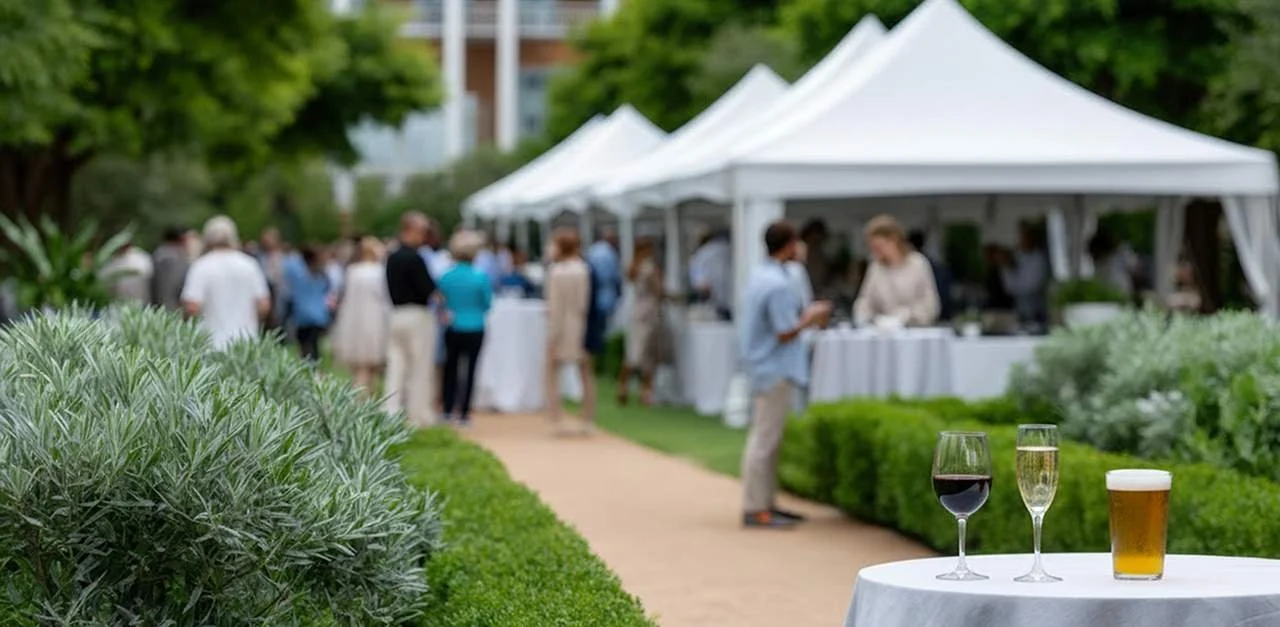
By 3 p.m. at an outdoor wedding in July, the beer that poured clean at noon is coming out warm and half foam. Guests drift back to the wine table. The bar staff blames the keg. The keg is fine. The setup was never designed to hold temperature and pressure through six hours of direct sun.
That gap between "we have a keg and a tap" and "we can serve cold draft to 200 people all afternoon" is what a portable draft system is meant to close. This guide covers what these systems are, how a tabletop tap differs from a self-contained unit, how to size one for your guest count and venue, and how to dodge the warm-pour problem that sinks event beverage service.
What Is a Portable Draft System?
A portable draft beverage system is a self-contained setup that stores, chills, pressurizes, and dispenses draft beverages at a location with no permanent taps. It pairs a keg or beverage container with a cooling method and a CO2 or nitrogen source, so drinks pour cold and correctly carbonated anywhere, from a backyard to a rooftop to a festival field.
The category is wide, though, and that is where planning tends to go sideways. A tabletop dispenser and a wheeled self-pour station are both sold as "portable draft" or "mobile draft beer," and they solve very different problems.
Where Events Break Draft Beer
Draft has three enemies at an event: heat, pressure swings, and beer that sits warm in the line. Get any one wrong and quality drops fast.
Temperature is the big one. The Brewers Association recommends keeping draft beer between 34 and 38°F. Once a keg drifts into the mid-40s, CO2 escapes solution, causing you to pour foam instead of beer, which means slower service and more waste. A well-run system loses only about 5% or less of a keg to foam and line loss; a warm, poorly matched setup pushes that past 10%, real beer going straight into the drip tray.
Then there’s the line run from keg to faucet. If the beer line warms up while the keg stays cold, the first few ounces of every pour will burst into foam. Indoors, temperature creep goes unnoticed. But on a 95°F asphalt lot, a warm, uninsulated line will quietly ruin every pour—no matter how much ice you pack around the keg.
Pressure is the failure people miss. Different beverages want different pressures. A hazy IPA, a nitro cold brew, and a kombucha will not pour well on the same regulator setting, so a system locked to one pressure flattens or over-foams half your menu.

The Main Types, From Tabletop to Self-Contained
Portable draft is a spectrum. Here is how the common options behave once you put them in front of real guests.
Tabletop taps. Insulated 2- to 5-liter dispensers, CO2-charged, no power needed. A 68 oz unit pours roughly 8 to 10 rocks-glass servings before it runs dry. Fun for a date night or a small backyard social gathering. For real guest counts, they empty fast and rely on ice alone, so they fade over a long afternoon.
Jockey boxes. A jockey box runs beer lines through an ice-filled cooler between the keg and the faucet. Serves very low quantities. Cheap, effective for a few hours, and a caterer favorite. The catch is babysitting: someone has to keep the cooler packed with ice, and once it melts, the pours warm up. Fine for a three-hour block, tiring across an all-day festival.
Portable kegerators. A refrigerated cabinet holding one or more kegs with taps on top. Cold and reliable, but heavy, with limited gas supply and short beverage lifespan.
Mobile bar trailers. A full trailer with taps, refrigeration, and prep space. The right call for a business built around event service and traveling to events.
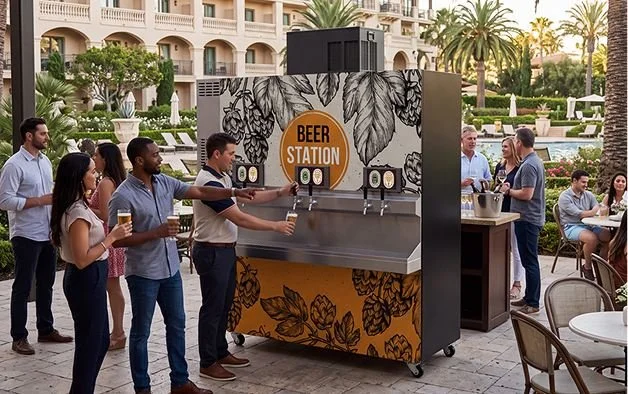
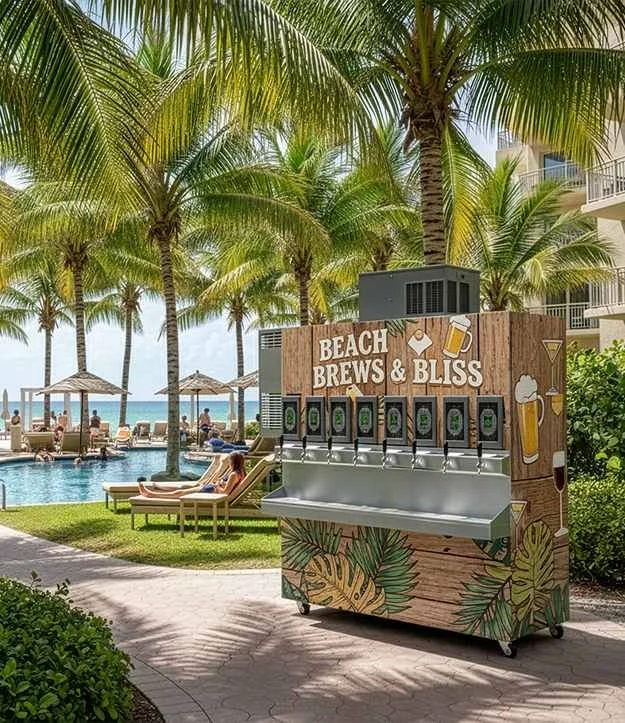
Self-contained self-pour systems. The newer category. A single wheeled unit holds the kegs, chills them with active cooling, regulates pressure per beverage, and often lets guests pour their own drinks with a card or wristband. It plugs in, holds temperature in the heat, and serves a crowd without a bartender behind every tap.
How to Choose the Best Portable Draft System for Your Event
Work through five questions in order. They point you to the right category before you start comparing brands.
Guest count and duration. Multiply expected guests by 2 to 3 drinks for a standard event window, then check that against keg capacity (a half-barrel is about 124 pints). This tells you how many kegs to have ready and whether a tabletop unit is even in the running.
Venue and weather. A shaded indoor room in spring is forgiving. A rooftop or boardwalk in August is not, and pushes you toward active cooling rather than ice alone.
Power. Is there a reliable outlet or generator on site? Actively cooled systems need it. With no power, you are planning around ice, which means more labor and a shorter quality window.
Beverage mix. Beer only, or beer plus wine, cocktails, cold brew, and kombucha? A mixed menu needs independent pressure control, which rules out single-setting dispensers.
Staffing model. Bartenders pouring, or guests self-serving? Self-pour cuts lines and staff, but it needs a system designed for it, with metering and payment built- in.
Run those five and the answer usually picks itself. A 40-guest afternoon shower with shade and a simple lager list is a jockey box or a kegerator. A 200-guest resort pool party with beer, wine, and cold brew in summer heat is a self-contained, actively cooled, self-pour system.
Kegs, Pours, and Keeping It Cold
A few numbers save a lot of guesswork.
Keg yield runs like this: a half-barrel holds about 124 pints (roughly 165 twelve-ounce servings), and a sixth-barrel about 40. A tapped keg kept cold and pressurized with CO2 stays fresh for weeks, so leftover product is not automatically a loss if your system holds temperature.
When serving draft beverages outdoors, temperature control is everything. Ice is fine for a quick setup, but as the day heats up, ice melts—and it definitely can’t save a warm keg. (In fact, a 50°F keg takes about 25 hours to chill down to 38°F!) That’s why all-day events and resorts count on active glycol cooling. GS Draft systems leverage industrial glycol technology to lock in serving temps, keeping every pour cold even on a 100°F patio.
Carbonation requires the right harmony of cold temps and balanced pressure. Warm beer plus high pressure equals a glass full of foam and wasted yield. Cold beer plus controlled pressure gives you perfect pours from start to finish.
Where the ChillTap Pro Fits
For events where a tabletop unit is too small, and a trailer is too much, a self-contained station is the practical middle path. The ChillTap Pro self-contained draft system, part of GS Draft's range of event beverage solutions, is built for that slot. It is plug-in ready, holds temperature with glycol cooling in hot outdoor conditions, and regulates CO2 or nitrogen per beverage, so beer, wine, cocktails, cold brew, and kombucha all pour right off the same unit.
The self-pour side matters for events. Guests dispense their own drinks with a room key, wristband, or RFID card, which shortens lines and drops the number of bartenders you need. You also get accurate pour tracking, so you know what you served and product loss stays low. For a resort, rooftop lounge, or large private party, that is the difference between one attendant and a full bar crew.
GS Draft handles the operator side too, from matching the system to your venue through staff training, so setup is not left to you on the day.
Cold, clean draft systems at an event come down to controlling temperature and pressure, and getting both right is the difference between pours that hold up all afternoon and a warm, foamy crowd drifting to the wine table by 3 p.m. If you are looking to improve beverage dispensing and hospitality, price out a self-contained, actively cooled setup early, because it is the small thing guests quietly remember when the beer is still cold on their third trip back. That is the slot GS Draft builds for, so tell us your venue, guest count, and drink menu and we’ll help match the best draft system to your venue.
Ready to Serve Cold Draft at Your Next Event?
Let us know your venue, guest count, and drink menu, and we'll match you to the right setup and handle installation, training, and support. Request an appointment today and build a beverage program that holds up from the first pour to the last.
Frequently Asked Questions
How do I keep beer cold for an outdoor event?
Use active cooling, not just ice, for anything longer than a couple of hours in the heat. Jockey boxes and insulated tabletop taps work for short windows but warm up as the ice melts. Glycol-cooled or refrigerated systems hold serving temperature (around 38°F) regardless of outside heat, which keeps pours clean all day.
How many beers are in a keg?
A standard half-barrel holds about 124 pints, or roughly 165 twelve-ounce servings. A quarter-barrel holds about 62 pints, and a sixth-barrel ("sixtel") about 40 pints. Plan on 2 to 3 drinks per guest to size your keg order.
How long does a keg last once it is tapped?
Cold, CO2-pressurized kegs stay fresh for weeks. Manual air pumps, on the other hand, introduce oxygen that spoils the beer in just 12 to 24 hours. Using a CO2 system preserves your draft quality and eliminates wasted inventory.
What is the best portable draft system for a large event?
For big guest counts in warm weather, a self-contained actively cooled draft system with per-beverage pressure control beats tabletop taps and ice-based boxes. It holds temperature all day, pours a mixed menu, and can run self-serve to cut lines.
Can I serve beer, wine, and cocktails from the same system?
Only if the system controls pressure independently for each line. Beer, nitro cold brew, wine, and kombucha each want different pressure, so a single-setting dispenser will over-foam or flatten part of your menu. Systems like the ChillTap Pro regulate CO2 or nitrogen per beverage for this reason.
Do I need a license to serve draft beer at an event?
Usually yes, but it depends on whether the event is private or commercial and how alcohol is provided. In California, completely private, invitation-only parties where beer is served free of charge generally do not require an ABC license.
However, if you are selling drinks, charging admission, or hosting a public event, a permit is mandatory. The ABC’s standard "daily license" (Form ABC-221) is available strictly to qualified non-profit and civic organizations and must be filed 10 to 30 days in advance. For-profit businesses or commercial events must serve through a licensed catering or bartending service that holds a caterer's permit (Type 58). Always check venue guidelines and local law early to verify who holds the permit.
Should I rent or buy a portable draft system?
Rent for a one-off party. Buy or lease if you run events regularly or operate a venue, resort, or catering business. Frequent hosts recover the cost quickly through lower rental fees and less waste. GS Draft can walk you through which path fits your volume.