
Serving Cold Draft Beverages Without Permanent Installation
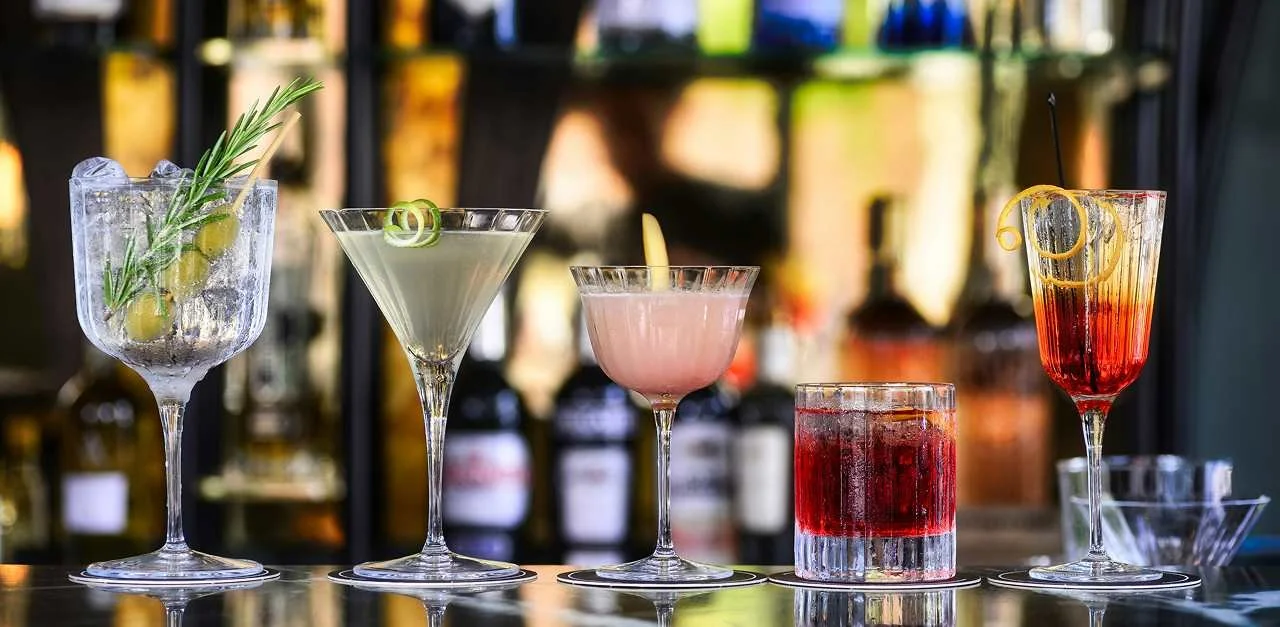
Plenty of venues want draft service in a spot where a traditional system will never go. A rooftop lounge with no cooler space beneath it. A poolside bar that runs six months a year. A resort ballroom that hosts a wedding on Saturday and a corporate breakfast on Monday. The drink guests ask for is the same in all three places. The buildout to deliver it the old way is either impossible, too costly, or not worth the permit.
That gap is where portable draft comes in. This guide walks through how to serve cold draft beverages without permanent installation: what a self-contained system is, how it stays cold when the patio hits 95 degrees, where it pays for itself, and how to choose one that matches how you actually run service.
Why "No Installation" Is the Real Question
When operators say they want draft somewhere new, the beer is rarely the hard part. The buildout is. A conventional commercial draft beer system means running glycol lines through walls, drilling floors, dedicating a cooler, and pulling the permits that come with all of it. On leased space, it also means a landlord signing off on construction you may never recover when the lease ends.
Add a seasonal or temporary angle, and the math gets worse. You are not going to trench a patio for a bar that operates from May to September, and you cannot install fixed lines in a hotel ballroom that changes function every day. So the real constraint is the space itself, and whether it can absorb permanent infrastructure. Reframing the problem that way points straight at portable equipment built to skip the construction.

What is a Self-Contained Draft System?
A self-contained draft system is a portable beverage dispenser that holds its kegs, cooling, and gas in one movable cabinet. It chills and pours beer, wine, cocktails, cold brew, and other drinks without plumbing, refrigeration lines, or construction. You plug it into a standard outlet, load kegs, and serve.
The category ranges from small countertop units to full commercial cabinets like the ChillTap Pro. What they share is independence from the building, which is why operators often call this kind of unit a temporary draft system: it sets up for a season or a single event, then tears down with nothing to uninstall. Because the cooling and gas live inside the unit, the same cabinet can pour on a rooftop this weekend and inside a conference hall the next, with no trace left behind when it rolls out.

How Portable Systems Keep Drinks Cold in Real Heat
Cold is where cheap portable equipment falls apart, and where it matters most. A picnic-style tap sitting in an ice bin will pour foam within an hour on a hot day, because the beer warms as it travels through a warm line. Warm lines mean foaming, and foaming means waste and slow service.
Better portable systems solve this with glycol cooling, the same approach used in permanent commercial installs. A chilled glycol loop runs alongside the beverage line all the way to the tap, holding the drink at serving temperature from keg to glass even in direct sun. For a poolside or rooftop bar, that difference decides whether the first pour and the two-hundredth pour taste the same.
Pressure matters just as much. Precise CO2 or nitrogen regulation keeps carbonation right for each drink, since a nitro cold brew and a hoppy lager want very different gas settings. A quality portable draft beer system lets you set gas per beverage instead of forcing one pressure on everything. Aim to hold beer around 38°F at the tap, the storage and serving temperature the Brewers Association recommends to preserve carbonation, and confirm any food-safety holding requirements for your region before serving perishable drinks.
Where Temporary Draft Service Makes the Biggest Difference
The clearest wins come from places a fixed system can never reach.
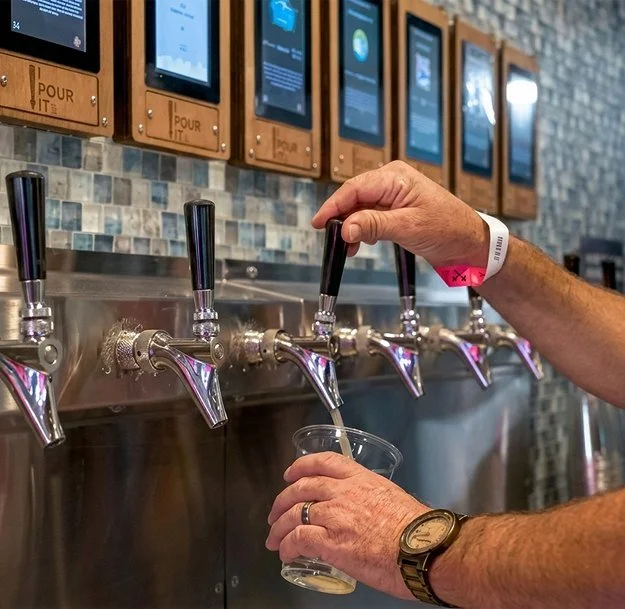
At a poolside bar, a self-contained unit gives guests real draft without a single line run through the pool deck. Pair it with RFID self-pour, and guests tap their wristband to pour their own and get billed to the room, which clears the bartender bottleneck on a busy afternoon.
Rooftop lounges gain the same freedom. Instead of engineering cooling into a space that was never designed for it, you roll a cabinet up the service elevator and plug in. Resorts and all-inclusive properties take this further with self-pour beverage systems tied to room keys or cards, so a single attendant can oversee a wall of taps that would otherwise need a full bar team.
Events are the other big case. A wedding planner needs a draft for one Saturday, a festival needs forty taps for a weekend, and neither wants construction. A mobile draft beer system arrives, serves, and leaves. For seasonal pop-ups, the same equipment stores over winter and returns in spring without a rebuild.
How to Choose the Best Portable Draft Beverage Dispenser
The best portable draft beverage dispenser for one operator is the wrong one for another, so match the equipment to how you serve. A few criteria separate a system you still like in year three from one you regret by month two.
Start with cooling. If you serve outdoors or in heat, glycol is worth the premium over basic air cooling. Next, weigh beverage range, since a unit that pours beer, wine, cocktails, cold brew, and kombucha earns its footprint far better than a beer-only tap. Then look at deployment time, because equipment that needs hours of setup quietly taxes your staff at every event.
Self-pour and payment technology belong on the list too. Touchscreen menus and RFID or wristband billing cut labor and give you accurate pour data. That feeds inventory tracking and waste control, where good systems report usage in real time and keep product loss low; GS Draft reports keeping product loss from overflow below 2% on the ChillTap Pro. Finally, weigh branding and support. A cabinet you can wrap to match your venue looks intentional, and a supplier who handles design, install, staff training, and maintenance saves you from stitching those pieces together yourself. GS Draft's ChillTap Pro self-contained draft system was built around this full checklist for hospitality operators.
What Setup and Daily Operation Look Like
Getting a portable draft beverage system for outdoor events into service follows a short, repeatable path:
- Plan the menu and match each drink to the right gas and cooling settings.
- Position the cabinet near a standard power outlet with clearance for airflow.
- Plug in and let the cooling reach temperature before service.
- Load the kegs and set CO2 or nitrogen pressure per beverage.
- Configure the touchscreen and, if used, the RFID or wristband billing.
- Train staff on pours, keg swaps, and the payment flow.
- Open service and track usage through the system's reporting.
Day to day, the work is light. Swap kegs as they empty, keep the lines clean on the schedule your supplier recommends, and watch pour data for drinks that move faster or slower than expected. Because everything lives in one cabinet, teardown at the end of a run is close to the reverse of setup.
Serving cold draft beverages without permanent installation means you stop letting the building decide your beverage program. A rooftop, a pool deck, a ballroom, a festival field: each becomes a place you can pour real draft at the quality guests expect, then reclaim the moment service ends. That flexibility is often what separates offering draft from skipping it, especially for seasonal and event-driven operations, and it comes down to equipment that holds drinks genuinely cold under pressure without the construction. GS Draft builds portable, self-contained systems around exactly that, so the last step is choosing the setup that fits how you operate.
Ready to Serve Draft Anywhere?
GS Draft designs, installs, trains, and maintains portable draft systems for hospitality venues, resorts, and events. Book your appointment today, and we will help you match the right self-contained system to your space and your menu.
Frequently Asked Questions
Can you serve draft beer without a permanent installation?
Yes. A self-contained draft system holds its kegs, cooling, and gas inside one portable cabinet, so it pours draft beer without plumbing, glycol lines through walls, or construction. You plug it into a standard outlet and serve.
What is a self-contained draft system?
It is a movable beverage dispenser that combines kegs, glycol cooling, and CO2 or nitrogen gas in a single unit. It serves beer, wine, cocktails, cold brew, and more, then rolls out when service ends with nothing to uninstall.
How does a portable draft system stay cold outdoors?
Quality units use glycol cooling, which runs a chilled loop alongside the beverage line to the tap. That keeps drinks at serving temperature even in direct sun, where a basic ice-bin tap would warm up and pour foam.
Do you need CO2 for a portable draft beverage dispenser?
Most systems use CO2 or nitrogen to push and carbonate the drink. The gas type and pressure depend on the beverage, so a good system lets you set them per keg rather than applying one setting to everything.
What is the best portable draft beverage dispenser for outdoor events?
Look for glycol cooling, fast setup, multi-beverage capability, and self-pour with cashless payment. Those features handle heat, crowds, and quick teardown, which are the main pressures at outdoor events.
Can a portable system serve more than beer?
Yes. Commercial units like the ChillTap Pro pour wine, cocktails, cold brew, kombucha, and other drinks, with gas and cooling set per beverage so each one pours correctly.
How long does it take to set up a portable draft system?
Once the cabinet is placed and plugged in, setup is mostly cooling time plus loading kegs and configuring the menu. Plan for the unit to reach serving temperature before your first pour; your supplier can confirm timing for your specific model.